Overview
Senior thesis project tackling medication non-adherence in children and adolescents
Challenge
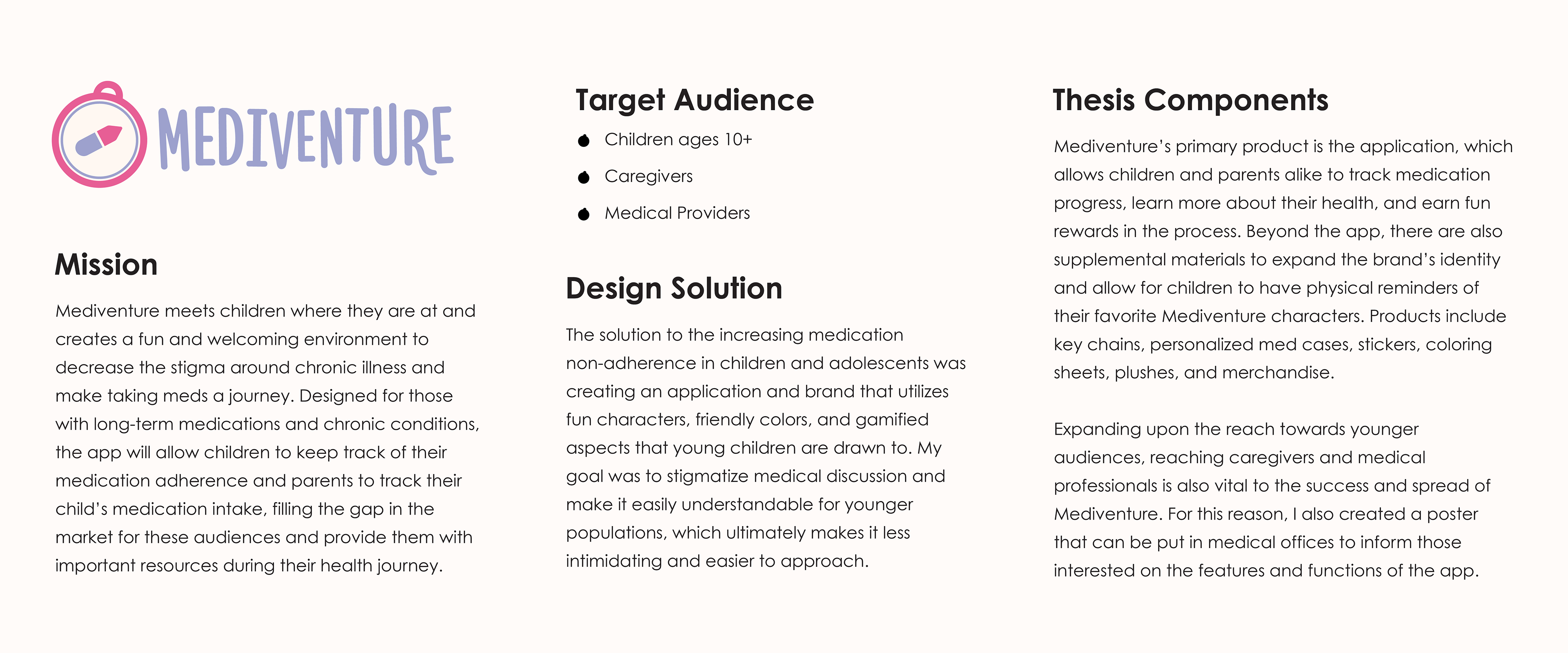
Create an effective application designed for children, caregivers, and medical providers to keep track and learn more about prescribed medications.
Approach
I was inspired to create this application as a kidney transplant recipient who is required to take immunosuppressive medications as part of my care plan from my doctors. I have been regularly taking these medications since I was five years old, and when I was younger, I relied on my parents to ensure that I was always taking the correct doses at the right times. As I had gotten older and begun taking on this responsibility for myself, I often found myself overwhelmed and anxious with the number of medications and making sure I was taking the correct dosage. Now, at 21, I feel that I have finally got my grip on my medications, and one thing helped me immensely throughout the years: an app on my phone.
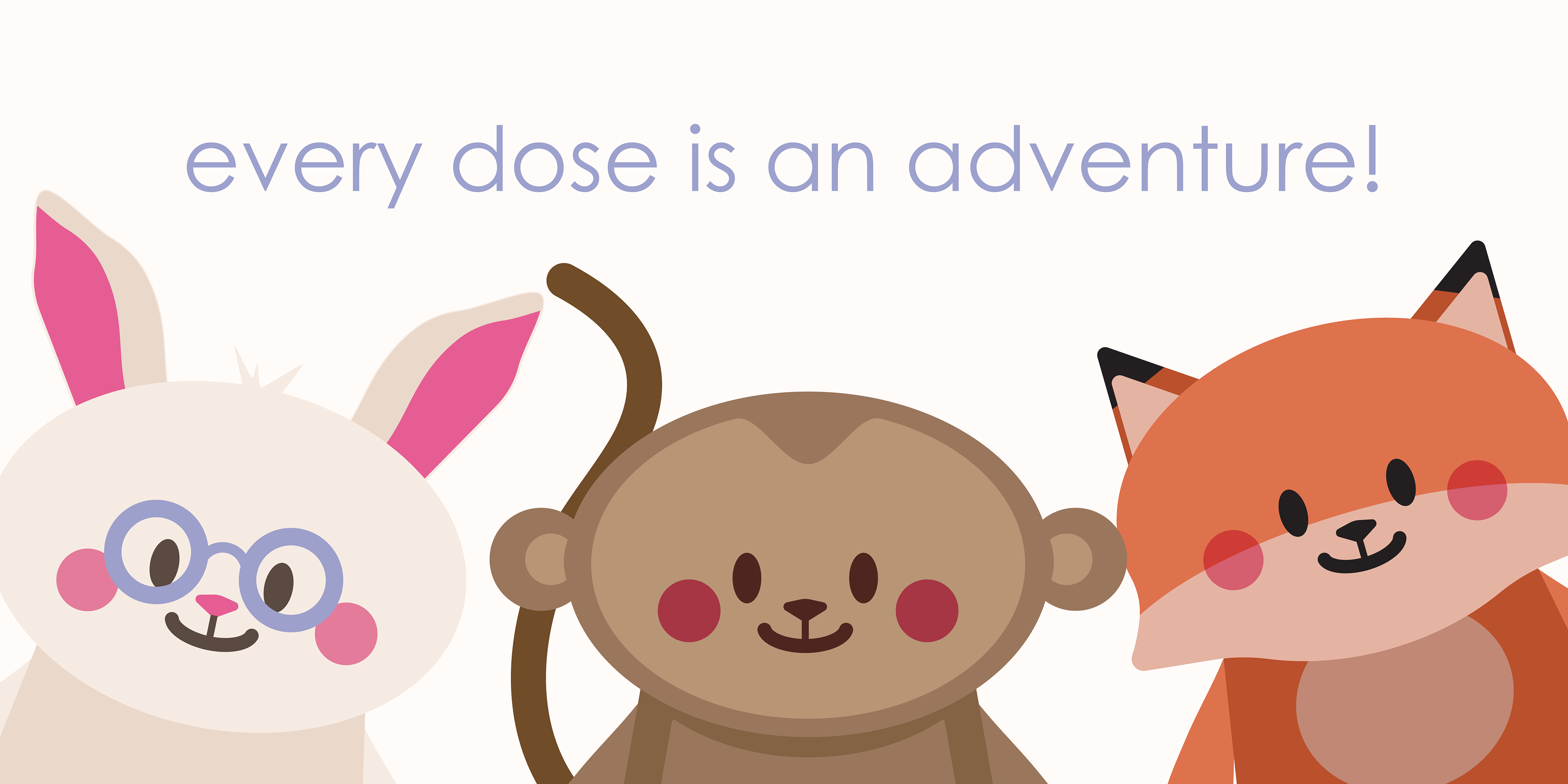
Another source of inspiration for me to create this app was my love for life simulation and world-building games growing up. Games like The Sims 4 and Minecraft, where I was able to creatively think and build out anything that I imagined, were an outlet for me and helped me expand my thinking. The creativity and freedom that games like these provide allow children to think about their wildest dreams. While the gamified aspects of my app will most likely be in a 2D art style, I want aspects of these games to be part of my final product. Some of the aspects from these games that I would like to include are character creation (allowing children to create customized avatars), the ability to decorate buildings and furniture, and achievements to reward them for continued medication adherence. These features are found in many children’s games and are important elements to keeping them engaged and enjoying themselves.
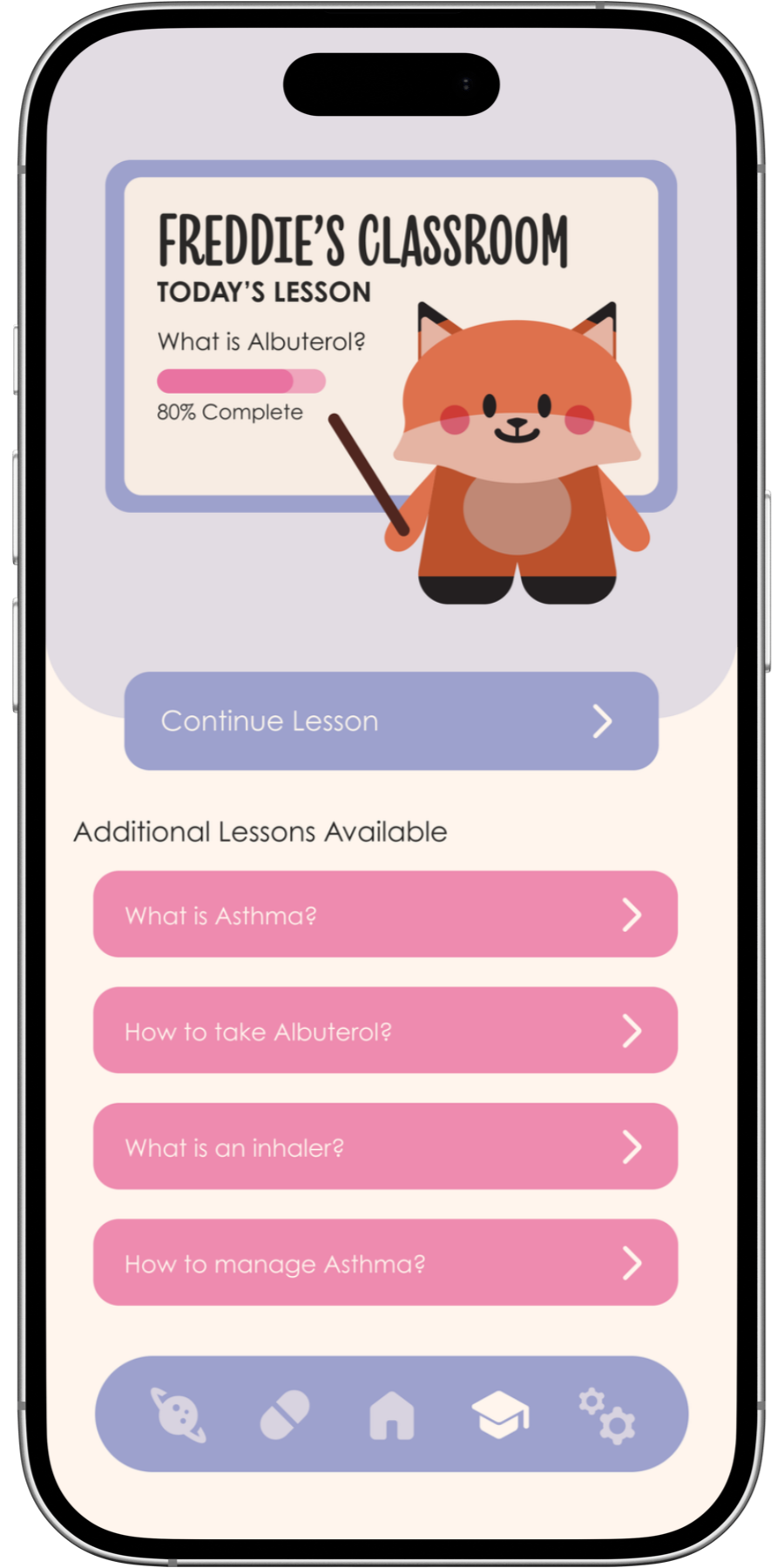
Beyond the features that are found in common children's games such as customization and achievements, I also included educational materials within the application. These fun, interactive learning methods allow children to learn what medications they need, why they have to take them, and how to take them. These educational short form content would avoid medical jargon and focus on engaging them on this important information. I know for me personally, my medical providers wanted me to begin learning the purposes of my medications and their names around 10 or 11 years old. I ended up having to learn from my parents and throughout time and careful attention, however videos like these could be beneficial in this part of the transition process from parents to children in understanding medications.
While exploring different apps that I could utilize for my own medications, I realized that none are truly designed for children. Most are geared towards adults as they are the primary audience and largest population on long-term medications. The one app that I did find that could be geared towards a younger audience is called “Pill Buddy.” This app is a Tamagotchi-inspired program that allows users to raise an illustrative round buddy by customizing them, feeding them, all while earning achievements and taking their medications as scheduled. While the art style of this program appeases this audience, I feel that the features do not. For example, the app's notifications could be intimidating and discouraging for younger children. In the App Store screenshots showcasing the application, an example of a notification for the app states, “I will haunt your phone until you take your meds. And maybe even after”. While this can obviously be seen as a playful form of encouragement to remind users to take their medications, some younger users may become fearful and turned off from engaging with it further.
Outcome
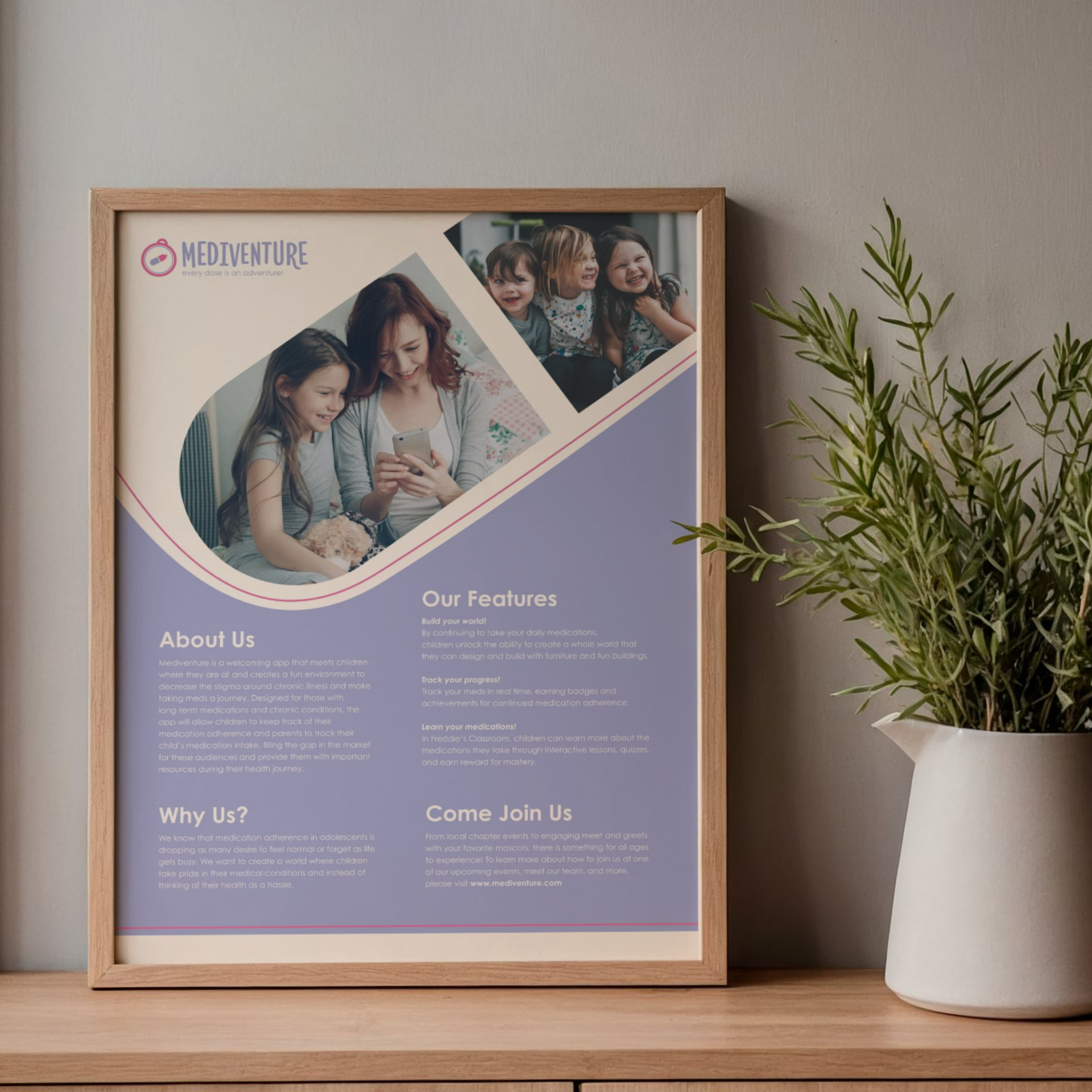
I created an engaging application for children to remember and learn more about their medications. Designed for those with long-term medications and chronic conditions, the app allows children to keep track of their medication adherence and parents to track their child’s medication intake. This app is important because it fills the gap in the market for these audiences and provides them with important resources during their health journey. Inspired by my experiences and struggles remembering my long-term medications growing up, Mediventure helps future generations and their caregivers increase medication adherence.
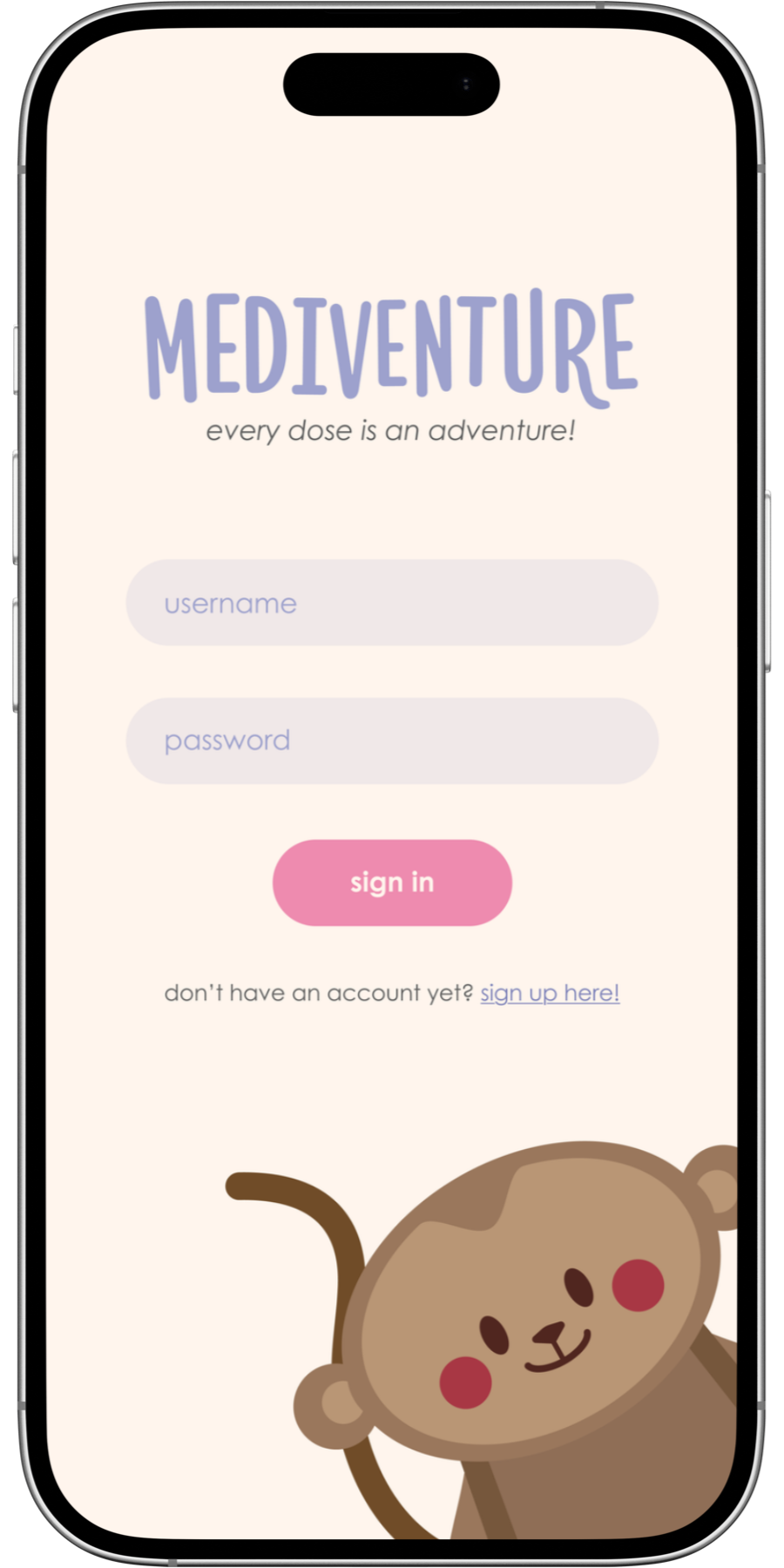
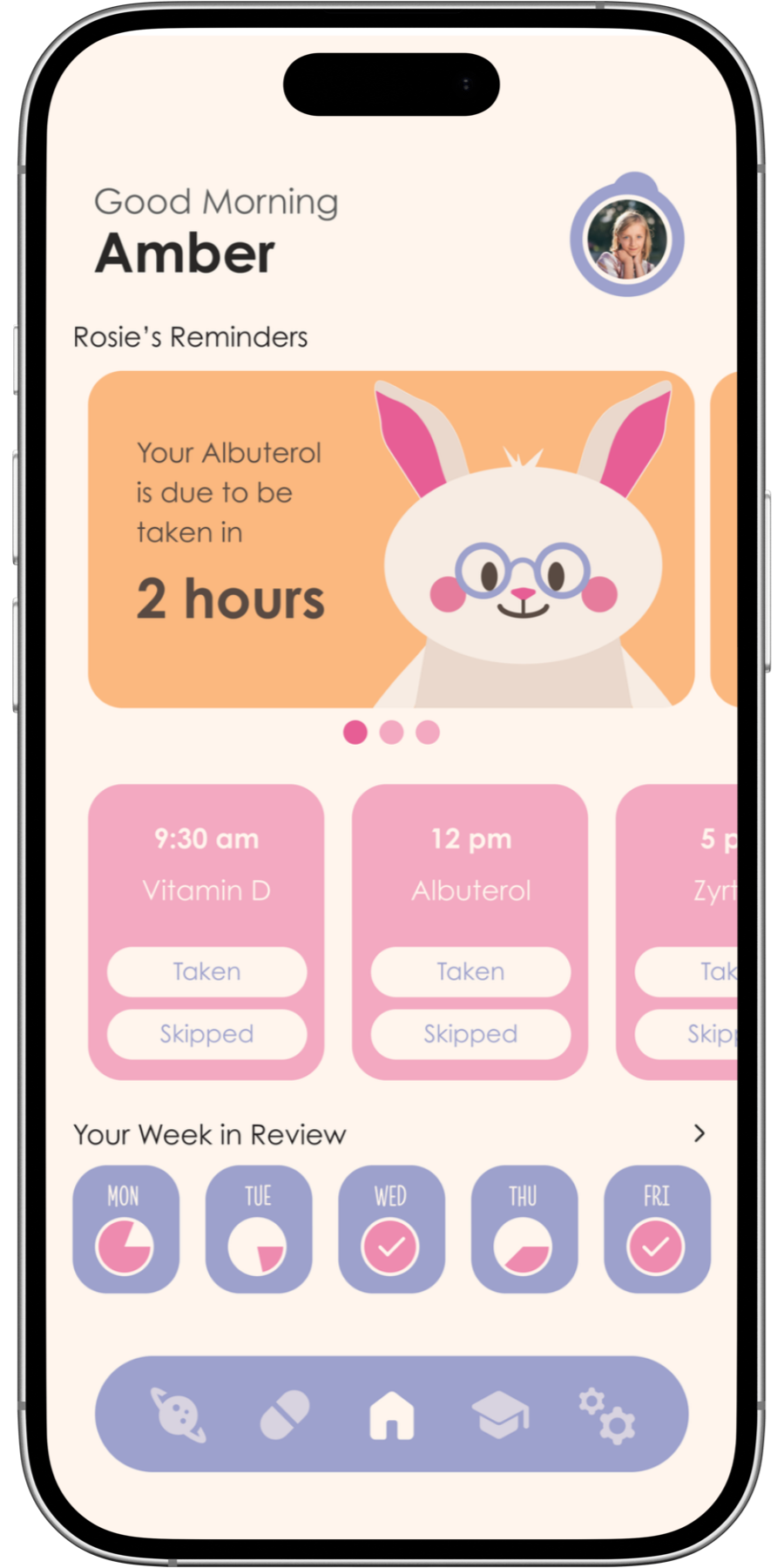
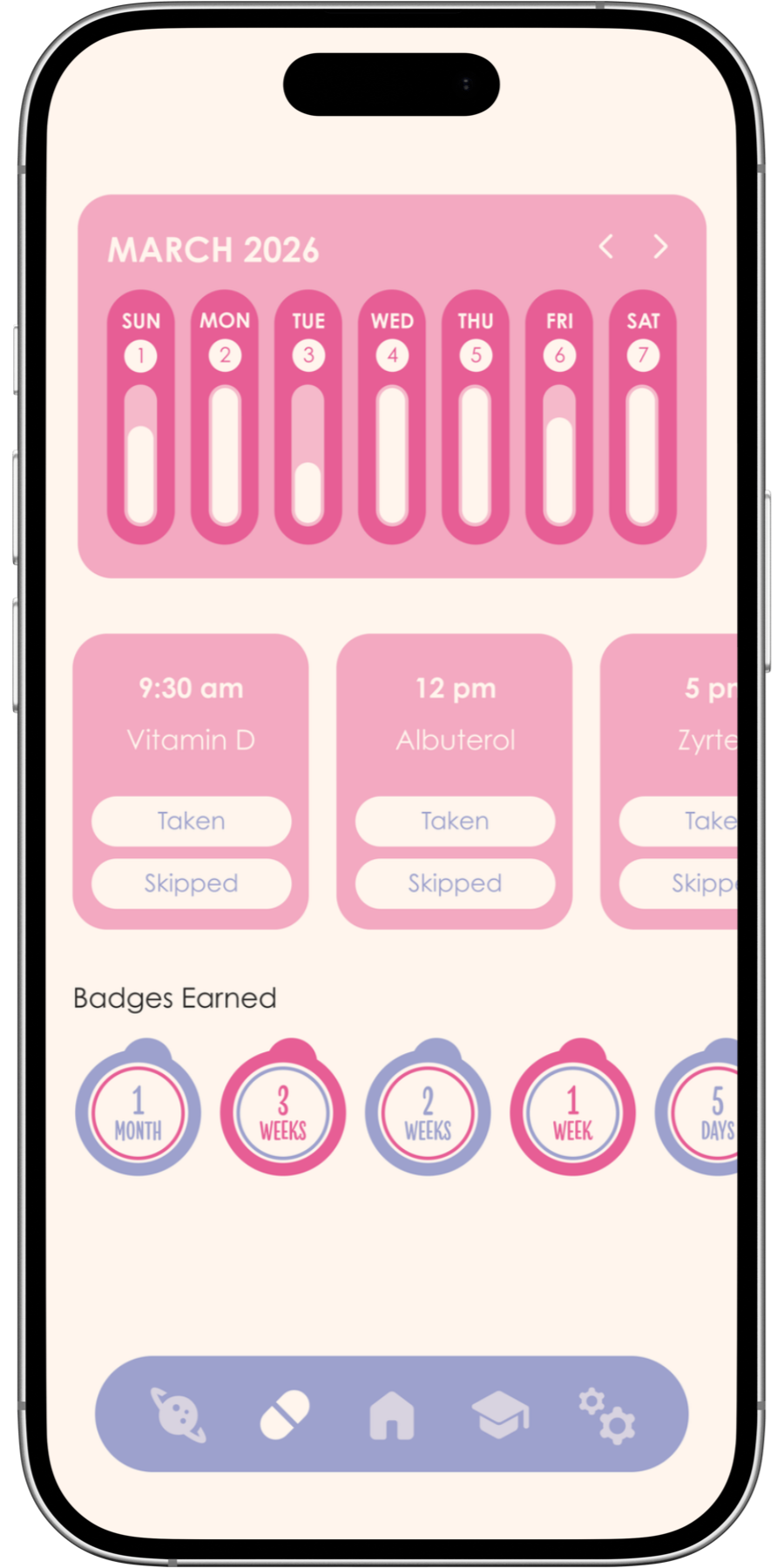
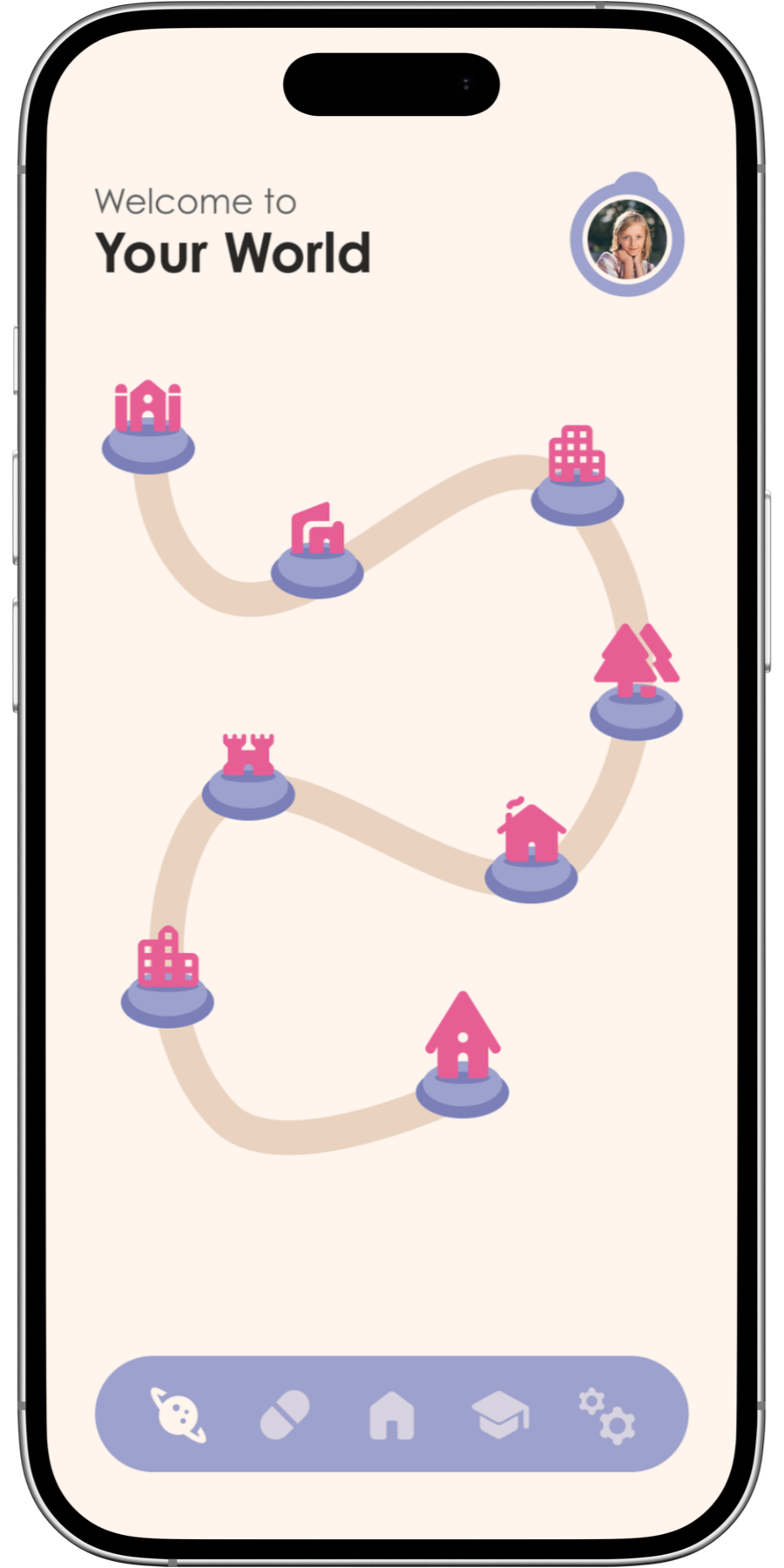
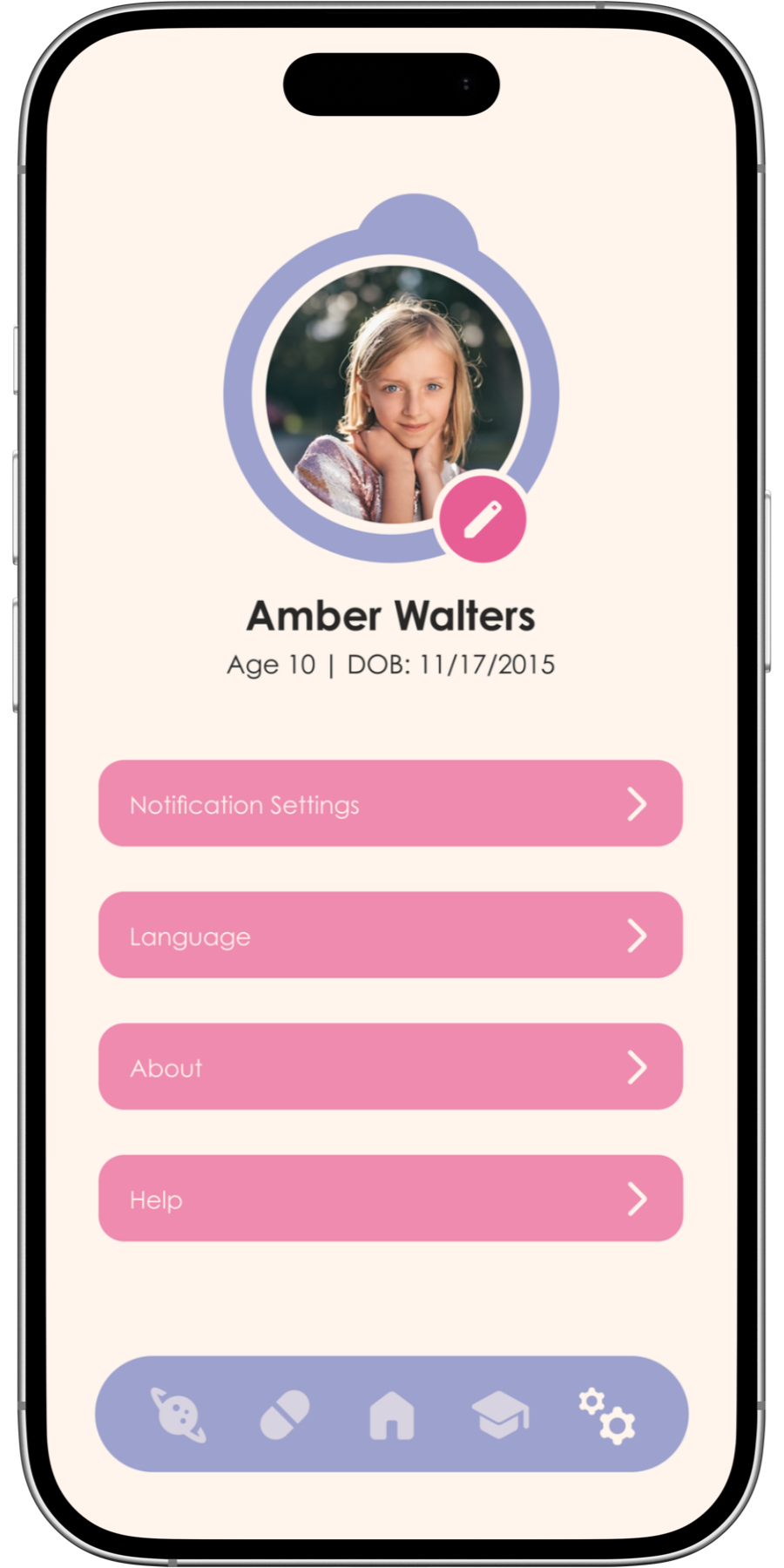
My application is geared toward both populations, primarily to children by allowing children to confidently learn the medications they take regularly and stick to their schedules set by their care team, and parents/caregivers to track their child’s medication adherence and update their medication lists. Beyond the key focuses of the application, I want my app to be interactive and engaging for younger children as a way to incentivize them to continue taking their medications and increase rates of adherence. To achieve this goal, I plan to implement in-app rewards for continued adherence. One of the biggest features to achieve this mission would be celebrating continued medication adherence by allowing children to build a city or town if they take their medications on time. This gamified aspect will engage the younger audience and hopefully encourage them to log their medications and, therefore, in the long term, improve their overall health.
While all children will be the primary audience of this app, I feel that children around age 10 and up would be the largest focus. This is around the age that they would begin taking over their own health and slowly take on the responsibility of learning their medications. The secondary audience is parents, caregivers, and care team members of chronically ill patients. These users will be targeted through a designated account portal that allows them to access and track their children's information and learn more about their medication schedules and adherence. Beyond the focus on children, I feel that anyone on long-term medications could benefit from these applications. While the focus will be on children who need incentives to increase their medication adherence, anyone could use it if they feel that they would benefit from a more gamified approach.